
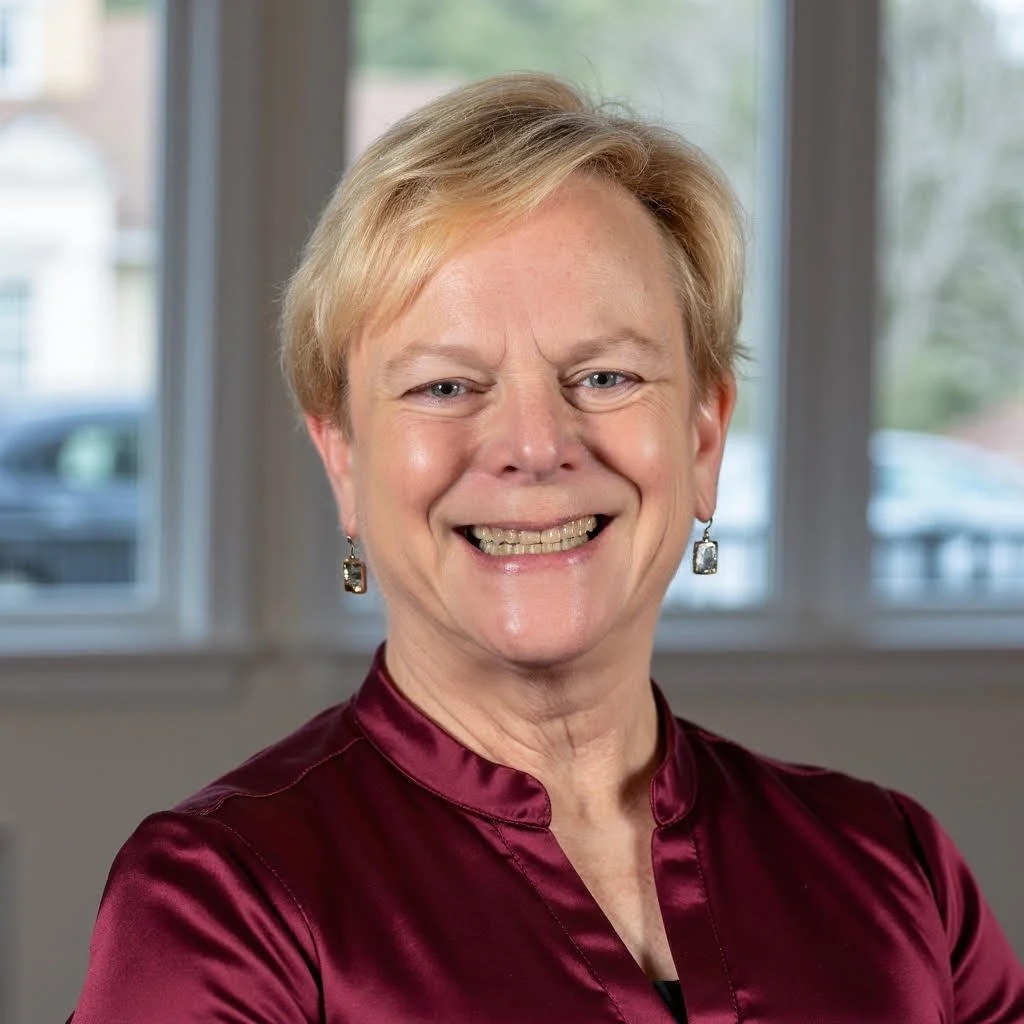
Kathy Cohen - Roanoke City Council Candidate
Campground Reopening: Are you committed to working with the National Park Service to reopen the Roanoke Mountain Campground for overnight access?
The maintenance and staffing shortfall on the Parkway indicates thatSince the Parkway we can't just wait for the federal government to fix it. A management agreement or partnership that puts more of the day-to-day responsibility in local hands would likely work better. I'd want to get City staff, NPS, and folks already working on this — like the Valley Outdoor Infrastructure Committee — around the table to figure out what's realistic. But bottom line, I think the City should be leaning in on this one, not treating it as somebody else's problem.
Greenway Completion and Maintenance: Would you support completing and maintaining the Roanoke River Greenway from Green Hill Park to Explore Park?
Yes, I'd support completing it. The Roanoke River Greenway is the kind of project that only works if there is regional collaboration — no one locality can pull this off alone. I want the City actively coordinating with those partners and the Greenway Commission on funding and right-of-way.
On maintenance — that's the piece that doesn't get enough attention. I'd want the City to build maintenance costs into the budget up front, and to be clear with regional partners about who's responsible for which segments. A well-maintained greenway is part of the beauty of our Valley.
Budget Prioritization: Would you establish consistent annual funding for greenway expansion, maintenance, and improvements?
Yes, I'd support a dedicated, consistent annual funding line for greenways. Right now outdoor infrastructure ends up competing year after year against streets, public safety, schools, and stormwater — and it tends to lose that fight because it's easier to defer than something like a failing water line or a police staffing gap.
I don't think greenways should be pitted against those core services, but I also don't think they should be an afterthought. A predictable annual allocation — even a modest one — lets the City plan multi-year projects like the Roanoke River Greenway with actual certainty. It also makes it easier to keep up with maintenance.
Within the CIP, I'd prioritize projects that close major regional gaps or unlock other funding — grant matches, VDOT dollars, partnerships with the County and Salem — since that's where a City dollar goes the furthest. But the core piece is consistency: greenways can't keep being the thing that only gets funded when there's money left over.
Economic and Community Benefits: How would the economic, health, and quality-of-life benefits of outdoor infrastructure influence your investment decisions?
These benefits go well beyond just having a nice place to walk or bike. Roanoke's outdoor identity — Roanoke Outside, the greenways, the mountains — is a big part of how our region markets itself for talent attraction and business recruitment. People and companies increasingly choose where to live and locate based on quality of life. Restoring camping at Roanoke Mountain and finishing the greenway system reinforces that identity instead of letting it falter.
There's also a health and community side to it — trails give people close-to-home access to physical activity, which matters for public health, not just recreation. And economically, they support tourism, outfitters, festivals, and even property values along the corridors.
I don't think of greenways and outdoor infrastructure as separate from economic development — I think of them as part of it. That doesn't mean every dollar goes there over streets or public safety, but it does mean I factor in the return: what does this do for our tax base, our ability to attract workers and businesses, and our residents' quality of life.
Community Engagement: How would you ensure meaningful public input and transparency when expanding the greenway and reopening the campground?
I'd start by going to the groups already doing this work — the Roanoke Valley Greenway Commission, Pathfinders for Greenways, the Valley Outdoor Infrastructure Committee, and local environmental and conservation organizations that already have knowledge and community trust built over years. I want to use that, not duplicate it.
For public involvement, I'd push for early and repeated engagement. That means public meetings at accessible times and locations, clear online updates on where projects stand, and real opportunities for written or online comment for people who can't make an in-person meeting.
On transparency specifically, I think the City owes residents clarity on cost, timeline, and tradeoffs as a project moves forward. If there are real disagreements — about environmental impact, land use, or funding priorities — I'd rather have those debates out in the open early, where they can actually shape the plan
Regional Cooperation and Funding: Would you increase Roanoke’s recreation funding from 2% to 3% and partner regionally to improve outdoor infrastructure?
I believe that regional cooperation is vital. I'd want the City actively working with Roanoke County, Salem, Vinton, the Greenway Commission, the National Park Service, and nonprofits like Pathfinders for Greenways and the Roanoke Parks Foundation — because none of these assets stop at a jurisdictional line, and neither should the funding strategy. That means jointly pursuing state and federal grants, VDOT dollars, and conservation funding where multiple localities can apply together, and being intentional about matching private and philanthropic dollars instead of relying on the City's general fund alone.
On the 2%-to-3% question: yes, I'd support that increase over a period of two-three years. Roanoke currently puts a smaller share of its budget into parks and recreation than comparable cities do, and that gap shows up directly in deferred maintenance and stalled projects like the greenway and Roanoke Mountain. I know the City is dealing with real budget pressure right now, so I think we need to ramp this up slowly — but I think outdoor recreation has been chronically underfunded relative to what it returns to the City in tourism, health, and talent attraction, and a modest, deliberate increase is a reasonable place to start closing that gap.